Is Sealcoating Your Driveway Really Worth It?
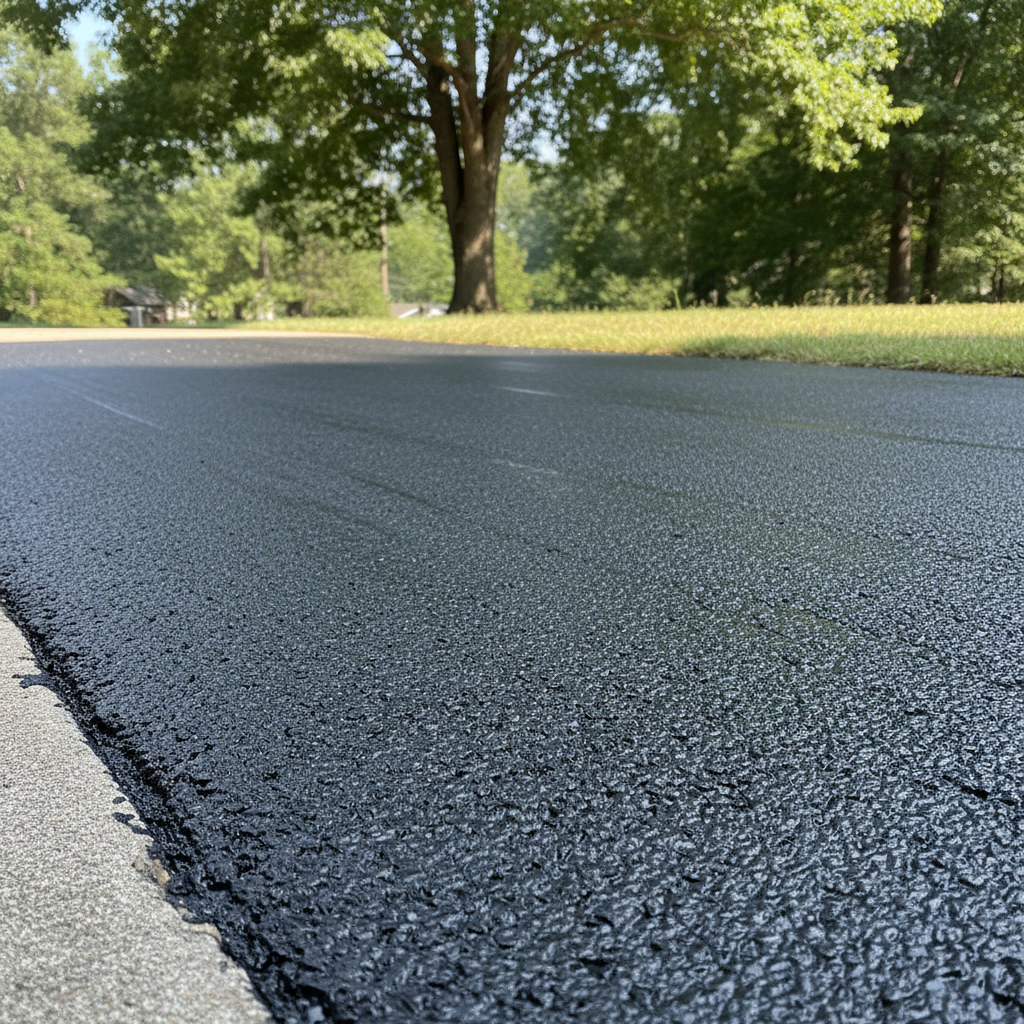
Let's talk about sealcoating for a minute. You've probably noticed those super black, shiny driveways around Atlanta, looking practically brand new, and maybe you've wondered if it's something you should do for your own place. The short answer? Yeah, it's usually worth it. Think of it like sunscreen for your asphalt. Our Georgia sun, especially during those brutal July and August days, just bakes everything, and that definitely includes your driveway. Plus, rain, oil drips, and just everyday wear and tear really take their toll. Sealcoating puts a protective layer right over your asphalt, stretching its life, stopping cracks from popping up, and honestly, just making it look a whole lot better. It's a smart move, plain and simple.
Before You Start: Prep is Key (Whether DIY or Pro)
This is where most people mess up, whether they're tackling it themselves or hiring someone who tries to cut corners. You just can't slop sealcoat over a dirty, cracked driveway and expect some kind of miracle. The prep work, honestly, is probably even more important than the actual sealcoating itself.
- Clean, Clean, Clean: You absolutely have to get all the dirt, debris, leaves, and especially any oil stains off that asphalt. A good power wash is usually the first step. For those stubborn oil spots, you'll need a degreaser and a stiff brush. Seriously, don't skip this part. If you sealcoat over grime, it won't stick, and before you know it, you'll have peeling.
- Fix Those Cracks: Got small cracks? You can fill those yourself with asphalt crack filler. Just follow the product's instructions carefully. If your cracks are bigger, or you've got areas that are crumbling, that's usually a sign you need a professional to do some patch work before you even think about sealcoating. Remember, sealcoat isn't a structural repair; it's just a protective layer.
- Edging and Protection: You definitely don't want sealcoat all over your grass, concrete walkways, or garage door. Use painter's tape or plastic sheeting to protect anything you want to keep clean. This is an easy DIY step that makes a huge difference in how the final job looks.
- Weather Watch: This is super important for us here in Atlanta. You need a few days of dry weather, with temperatures consistently above 50°F, both while you're applying it and for at least 24-48 hours afterward. Don't even try this if rain is in the forecast, or if it's too cold. The sealcoat won't cure right, and you'll just end up wasting your time and money.
DIY Sealcoating: What You Can Handle
For smaller, fairly new driveways with only minor damage, sealcoating can actually be a DIY project. Here's what you'll need and what to expect:
- Materials: You'll need asphalt sealer (it usually comes in 5-gallon buckets), a squeegee applicator (often with a long handle), some brushes for the edges, and safety gear like gloves and old clothes.
- Application: Work in small sections. Pour a line of sealer across the driveway and use the squeegee to spread it out evenly. Overlap your strokes a little bit. Don't put it on too thick, or it won't cure properly. Two thin coats are always better than one super thick one.
- Patience: You'll need to let that first coat dry completely (check the product instructions, but usually it's 4-8 hours) before you put on a second coat. Then, you'll need to keep all traffic off it for at least 24-48 hours, sometimes even longer depending on the humidity and temperature. This is where living in a neighborhood like Buckhead with lots of traffic can be tricky if you don't plan ahead, right?
The biggest challenge for DIYers is getting a smooth, consistent coat without streaks or puddles. It takes a bit of practice, and it's definitely physically demanding. For a small, simple driveway, it's totally doable. But for anything larger or more complex, you might be biting off more than you can chew.
When to Call Majestic Asphalt Company (or Another Pro)
Look, I'm a business owner, but I'm also realistic. Some jobs are just better left to the pros. Here's when you should absolutely pick up the phone:
- Large Driveways: If you've got a long, winding driveway, or a huge parking pad, doing it yourself is a massive undertaking. We have commercial-grade equipment that makes quick work of large areas, ensuring a perfectly even application.
- Significant Damage: If your driveway has extensive cracking, potholes, or areas that are crumbling, it needs more than just sealcoat. It needs proper patching and repair first. We can assess the damage and make those repairs correctly before sealing.
- Uneven Surfaces: If your driveway has dips or low spots where water collects, sealcoating can actually highlight these issues if it's not done carefully. Pros know how to work with these kinds of challenges.
- Time and Effort: Let's be honest, sealcoating is a dirty, time-consuming job. If you don't have the time, or just don't want to spend a weekend sweating over your driveway, calling us is the smart move. We've got the crew and the expertise to get it done efficiently and correctly.
- Guaranteed Results: When you hire a professional like Majestic Asphalt Company, you're getting experienced workers and usually a warranty on the work. If something goes wrong, we'll fix it. That kind of security is worth a lot.
After the Sealcoat: Maintaining Your Investment
Once your driveway is sealed, you'll want to protect that fresh look. Try to avoid turning your wheels sharply while stationary, especially when the asphalt is hot. Clean up any oil and gas spills quickly. And plan on resealing every 2-3 years, depending on how much traffic it gets and how much sun exposure your driveway sees. Regular maintenance means your asphalt will last longer and look better, saving you money in the long run. It's really that simple.