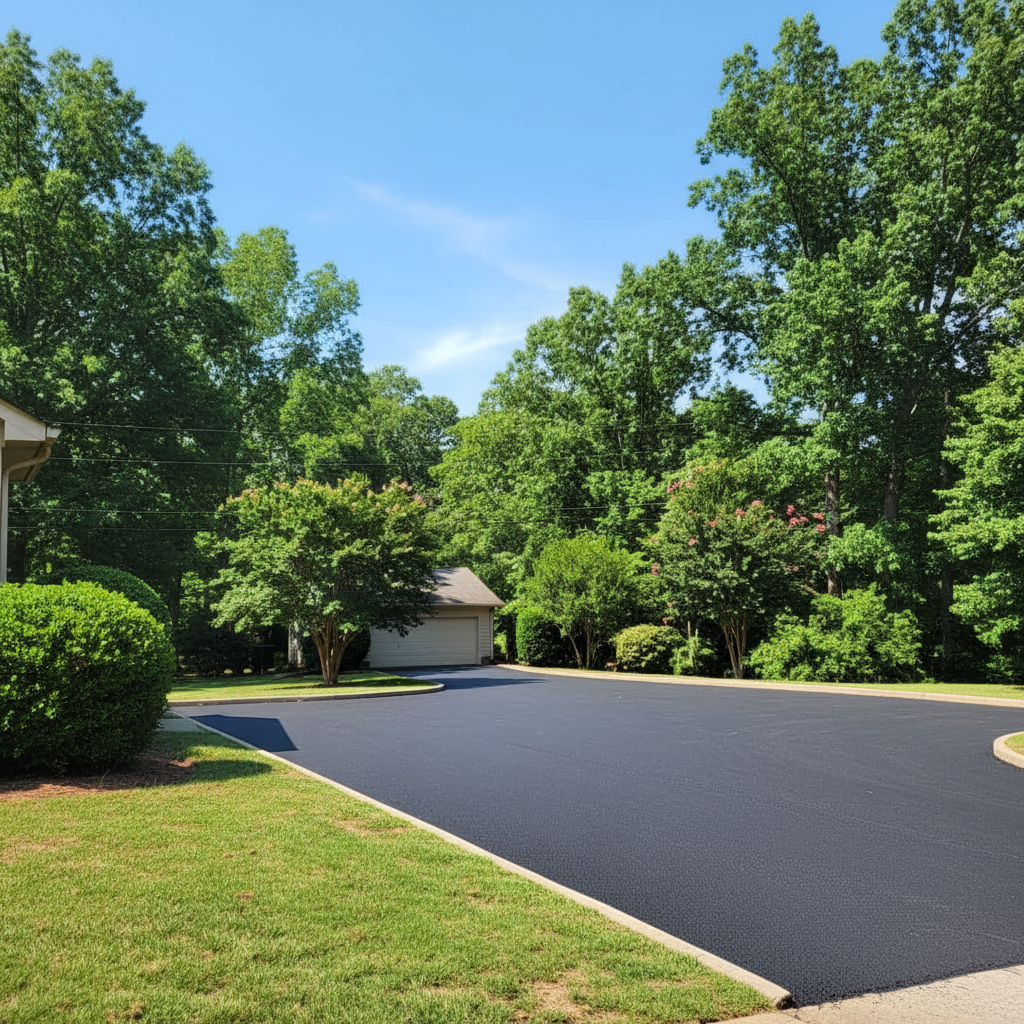
So, you've got a parking lot. And, yeah, you know it needs some love. But when's the *right* time to get that paving work done here in Atlanta? It's not just about picking any old Tuesday, believe me. Our Georgia weather plays a huge role, and if you don't plan around it, you're pretty much just tossing money out the window.
When's the Best Time to Pave in Atlanta?
For brand new asphalt paving or those bigger overlay jobs, you really want to aim for spring and fall. That's when temperatures are most steady and just right for asphalt to cure properly. We're talking about those sweet spots where it's neither too hot nor too cold. Think late March through May, and then again from September into early November. During these times, the ground temperatures stay stable, which is absolutely critical for getting a strong, long-lasting bond between the asphalt layers and the sub-base.
Why not summer? Well, Atlanta summers are brutal, aren't they? All that heat and humidity mean the asphalt cools way too slowly, making it more likely to rut and get damaged during that first curing phase. Plus, afternoon thunderstorms are practically a daily event, and you just can't pave on wet ground. It simply won't hold up.
Winter? Forget about it for any major projects. Asphalt needs to go down on a warm, dry surface. Freezing temperatures, especially when it dips below 40 degrees, make the asphalt too stiff to work with correctly, and it won't compact right. You'll end up with a brittle surface that cracks way too soon. For smaller fixes, like patching potholes, we can sometimes work in colder temps if it's dry, but for a whole parking lot, you definitely want those moderate seasons.
Weather Conditions That Mess Things Up
Like I just said, rain is a big one. You simply cannot lay asphalt on wet ground. It messes with the adhesion and the whole structural integrity. So, if we've got a string of rainy days, we'll have to reschedule. It's frustrating, I know, but it's always better to wait than to do a shoddy job that falls apart in a year.
Extreme heat, as I mentioned, isn't great either. The asphalt mix needs to be within a very specific temperature range when we lay and compact it. Too hot, and it stays soft for too long, leaving it vulnerable. Too cold, and it hardens too fast, stopping proper compaction. It's a delicate balance, which is why experienced crews like ours at Majestic Asphalt Company are always keeping an eye on the conditions.
Humidity also plays a part, especially when we're talking about sealcoating. If the air is too damp, the sealcoat won't dry or cure correctly, leaving you with a tacky, ineffective surface. We always check the dew point and relative humidity before we even think about starting a sealcoating project.
Protecting Your Investment Year-Round
Okay, so you've got a beautiful new parking lot. Now, how do you actually keep it that way? It's not one of those "set it and forget it" deals, especially with our Atlanta climate. The constant freeze-thaw cycles we experience, even if they're not as extreme as up north, still take a toll.
- Regular Inspections: Take a walk around your lot a few times a year. Look for small cracks, potholes, or spots where water is pooling. Catching these issues early is key. A tiny crack can quickly become a huge pothole after a few heavy rains and traffic, right?
- Sealcoating: Think of this as your lot's sunscreen and raincoat. I usually recommend sealcoating every 2-3 years, depending on how much traffic it sees and how much sun it gets. It protects the asphalt from UV rays, water seeping in, and chemical spills like oil and gas. It's a relatively inexpensive way to add years to your pavement's life.
- Crack Sealing: This really goes hand-in-hand with sealcoating. If you spot cracks, get them filled. Water is asphalt's worst enemy. Once it gets into those cracks, it expands when it freezes, creating even bigger cracks and potholes. This is especially true in areas with heavy clay soil, like much of North Georgia, where moisture can cause significant movement in the sub-base.
- Drainage Maintenance: Make sure your drains and catch basins are clear of any debris. If water isn't draining properly, it'll just sit on your asphalt, weakening it over time. Puddles are a big red flag.
- Prompt Repairs: Don't let small potholes turn into craters. Fill them as soon as you can. The longer you wait, the more expensive the repair will be, and the more damage your lot will sustain.
Taking care of your parking lot isn't just about how it looks; it's about safety, liability, and protecting a pretty significant investment. A well-maintained lot also reflects positively on your business, you know? If you've got questions or need an assessment, don't hesitate to reach out. We're always happy to help Atlanta businesses keep their asphalt in top shape.